
Traumacore
Traumacore Aesthetic Guide: Meaning, Outfits, Music, Images & More
The internet has given rise to hundreds of visual styles, but few are as emotionally complex and controversial as Traumacore. Unlike dreamy aesthetics like Dreamcore or digital styles like Webcore, Traumacore dives into deeper emotions fear, nostalgia, vulnerability, and childhood memories that aren’t always happy.
This aesthetic isn’t meant to glamorize trauma. Instead, it visualizes inner emotions in symbolic, surreal, and sometimes unsettling ways. In this guide, we’ll explore the meaning of Traumacore, its connection to childhood, the difference between Weirdcore vs Traumacore, how outfits and images are styled, and why artists use this aesthetic to express difficult feelings.
🖤 What Is Traumacore? (Meaning & Themes)
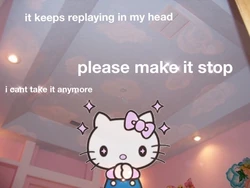
Traumacore is an aesthetic that uses symbolic imagery to represent emotional pain, unresolved childhood memories, and psychological experiences. It often blends surreal visuals, sad or eerie text, Sanrio-style characters (Hello Kitty, Kuromi), religious symbolism, and liminal-style settings.
Traumacore themes include:
- Lost childhood
- Emotional vulnerability
- Fear, comfort, and confusion
- Inner child expression
- Symbolic objects
- Distorted innocence
- Unfinished memories
The aesthetic frequently includes dark pastels, childlike toys, pixel art, uncanny eyes, emotional quotes, and Sanrio characters placed in unsettling contexts.
Important:
Traumacore represents feelings not real experiences. It is not intended to trigger or exploit trauma but to express emotions artistically.
🌫️ Traumacore Aesthetic: Visual Style
Traumacore visuals often combine:
- Childlike imagery
- Distressed or blurry filters
- Soft but sad color palettes
- Symbolic objects (bandages, angel wings, broken toys)
- Eerie Hello Kitty or Kuromi edits
- Distorted hearts, pixel fonts, and glitchy textures
- Shadows, fog, or low light
- Empty rooms or liminal backgrounds
Unlike Dreamcore, which is whimsical and soft, Traumacore is emotional and heavy. Unlike Weirdcore, which focuses on oddness and internet glitch visuals, Traumacore is rooted in psychological narratives.
🌑 Dreamcore vs Weirdcore vs Traumacore
| Aesthetic | Focus | Vibe |
| Dreamcore | Surreal dreams, soft nostalgia | Gentle, floating, calm |
| Weirdcore | Distortion, uncanny visuals | Strange, confusing |
| Traumacore | Emotions, inner child symbolism | Sad, nostalgic, heavy |
People often mix these aesthetics (Dreamcore Weirdcore Traumacore), creating hybrid edits with soft dream art mixed with unsettling text or imagery.
👗 Traumacore Outfits & Fashion
Traumacore fashion blends innocence with emotional storytelling. Clothing often looks soft, fragile, or nostalgic representing a childlike world mixed with darker tones.
Common Traumacore Outfit Elements:
- Oversized hoodies
- Soft pastel shirts
- Bandage accessories
- Distressed sweaters
- Kuromi or Hello Kitty prints
- Baggy pants
- Long sleeves covering hands
- Choker necklaces
- Emo-inspired eyeliner
- Decora fashion clips or stickers used in darker ways
- Black-and-pink color palettes
Traumacore outfits aren’t about looking polished—they’re about expressing sensitivity, discomfort, or vulnerability.
Traumacore Clothes for Men
Men’s Traumacore clothing often includes:
- Oversized graphic tees
- Distressed denim
- Chains & metal accessories
- Dark pastel hoodies
- Bandages or patches
- Soft-core emo styles
Men typically mix grunge fashion with childlike accessories, creating a contrast that fits Traumacore symbolism.
🎨 Traumacore Art & Images
Traumacore art mixes childhood imagery with emotional symbolism. Artists often use:
- Drawn eyes (representing fear or awareness)
- Crying Hello Kitty or Kuromi
- Religious Traumacore icons (angels, crosses, prayer hands)
- Shadowy bedrooms
- Empty playgrounds
- Faded toys
- Blurry childhood photos
- Pink tones mixed with darkness
- Pixel Traumacore fonts
Art is usually soft, cloudy, and emotional, with grainy textures or low-quality filters that evoke memory distortion.
🖼️ Traumacore Backgrounds, Wallpapers & PFPs
Many people use Traumacore wallpapers and PFPs (profile pictures) to express emotions without saying anything directly.
Typical Traumacore Wallpaper Elements:
- Sad or crying Hello Kitty
- Kuromi with broken hearts
- Empty bedrooms
- Soft glitch filters
- Dark purple or pink tones
- Small emotional quotes
- Childlike doodles mixed with eerie imagery
Traumacore aesthetic wallpapers often resemble a mix of Frutiger Aero softness, Frutiger Metro shapes, and glitch elements found in Webcore and Cyberpunk Aesthetic visuals.
🎶 Traumacore Music: Emotional, Raw & Symbolic
Traumacore music is deeply emotional, often touching on sensitive themes like heartbreak, trauma, vulnerability, and inner confusion.
Music Features:
- Soft vocals
- Emotional lyrics
- Reverb-heavy beats
- Lo-fi elements
- Slow or echoing production
- Confessional style
Skydxddy & Traumacore
Artist Skydxddy is closely associated with Traumacore because their music touches on heavy emotional experiences like pain, recovery, and vulnerability. Many fans create “Skydxddy Traumacore” edits, playlists, and wallpapers.
The Skydxddy Traumacore Tour also boosted the aesthetic’s popularity on TikTok and Instagram.
Traumacore Playlist Ideas
- Emotional lofi
- Slow reverb edits
- Soft electronic
- Sad pop
- Bedroom indie
These playlists often include artists with raw emotional storytelling.
🧸 Sanrio Traumacore: Hello Kitty & Kuromi
Sanrio Traumacore is one of the most recognizable substyles.
Why Hello Kitty in Traumacore?
Hello Kitty represents innocence, nostalgia, and childhood contrasted with sadness or emotional quotes. This duality makes it easy to express complicated feelings visually.
Traumacore Hello Kitty Themes:
- Crying Hello Kitty
- Bandaged or bruised Hello Kitty
- Broken heart imagery
- Soft pink sadness
- Emotional quotes added in pixel font
Traumacore Kuromi Themes:
- Dark purple or black aesthetics
- Mischievous but sad expressions
- Emo-style visuals
- Grunge-pastel mix
Kuromi is often used in Traumacore for darker emotional representation.
✝️ Religious Traumacore
Some Traumacore art uses religious symbolism:
- Angels
- Crosses
- Prayers
- Heavenly light
- Confession themes
These are not usually about religion itself, but about emotional struggle, guilt, hope, or longing for protection.
🎮 Traumacore Games & Generators
Some indie developers create Traumacore-inspired games using:
- Faded childhood settings
- Eerie bedrooms
- Sad or symbolic storytelling
- Dreamlike mechanics
There are also Traumacore font generators and Traumacore image generators used for creating PFPs, wallpapers, and emotional edits.
🔥 Is Traumacore Bad?
This depends on context.
Why People Say Traumacore Is Bad:
- It includes themes of abuse
- It triggers memories for some viewers
- It uses symbolic childhood trauma aesthetics
- People misunderstand it as promoting harm
Why Others Defend It:
- It helps express deep emotions
- Many find comfort in shared experiences
- It’s symbolic, not literal
- It gives a voice to silent feelings
Traumacore isn’t inherently harmful.
It depends on how it’s used and how someone interprets it.
💔 Childhood Trauma in Traumacore
Many Traumacore themes represent:
- Feeling small
- Feeling unsafe
- Wanting protection
- Nostalgia mixed with fear
- Emotional recovery
This is why many Traumacore backgrounds contain:
- Empty houses
- Childhood toys
- Faded photographs
- Dark pastel skies
The aesthetic mirrors the way memories blur over time.
🧬 Traumacore & Other Aesthetics
Traumacore blends surprisingly well with modern digital aesthetics.
1. Fashion Aesthetics
Soft grunge, emo, Decora fashion, and pastel-goth styles all influence Traumacore outfits.
2. Frutiger Aero & Frutiger Metro
These add glossy 2000s textures that soften Traumacore’s emotional harshness.
3. Webcore
Pixel fonts, pop-up windows, and glitch textures enhance the disturbed childlike visuals.
4. Cyberpunk Aesthetic
Neon sadness, emotional tech themes, and dystopian feelings mix well with Traumacore videos.
5. Synthwave
Soft neon lights + sad edits create a surreal emotional environment.
6. Biopunk
Some Traumacore artists use organic mutation themes symbolic, not literal to represent emotional wounds.
7. Decora Fashion
Colorful childhood accessories contrast with darker emotions perfectly.
🌙 Conclusion: The Emotional Power of Traumacore
Traumacore is powerful because it speaks in symbols. It’s not about glorifying trauma it’s about expressing feelings that are often hard to say out loud. Through clothing, text, art, wallpapers, and music, the aesthetic creates a world where vulnerability, sadness, and nostalgia can exist together.
Whether you explore Traumacore outfits, create Hello Kitty Traumacore edits, listen to Skydxddy Traumacore music, or dive into religious Traumacore symbolism, the aesthetic allows for deep emotional storytelling.
Traumacore reminds us that:
Art is sometimes the safest place to confront what hurts.
Innocence & Trauma — Quick Reference
Summary table listing origin, motifs, colours and core values for the aesthetic pairing of childhood innocence and trauma.
| Decade of origin | Mid-2010s |
|---|---|
| Key motifs |
|
| Key colours |
Pastel pink, white, grey, red
|
| Key values |
|