
Biopunk
Synthwave Trends: Neon Lights, Outrun Style & Retro 80s Aesthetic
Biopunk is one of the most fascinating and bold subgenres of speculative fiction. Rooted in biotechnology, genetic engineering, body modification, and dystopian science, biopunk imagines worlds where DNA is the battlefield and the human body becomes both the weapon and the target. Unlike cyberpunk, which focuses on digital systems and machines, biopunk is deeply biological, messy, organic, and often unsettling.
In this article, we’ll explore biopunk characters and archetypes, the biopunk aesthetic, biopunk books, biopunk games, biopunk movies, biopunk fashion, and how the genre compares to cyberpunk and solarpunk. All your keywords are naturally integrated in a smooth, readable flow.
Let’s dive deep into the world of biotech futures.
What Is Biopunk?
Biopunk is a science fiction genre focused on genetic engineering, biotechnology, and the consequences of manipulating life itself. It explores dystopian societies shaped by lab-grown organisms, mutated beings, bio-augmented humans, and genetic surveillance.
Where cyberpunk imagines oppressive digital systems, biopunk imagines oppression at the genetic level. DNA becomes the system and the system is everywhere.
The Biopunk Aesthetic
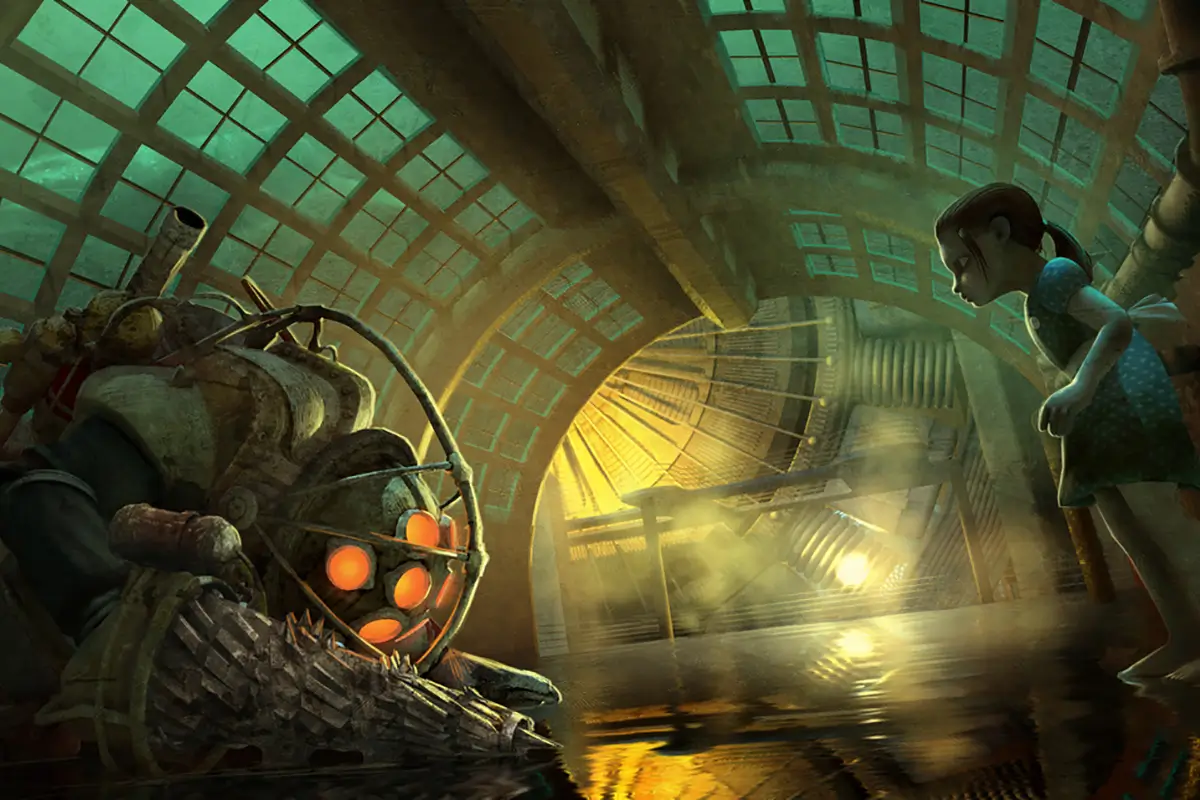
The biopunk aesthetic blends science-lab sterility with organic decay. It fuses medical environments, glowing bioluminescent colors, biotech machinery, and hybrid organisms.
This aesthetic often overlaps with or contrasts other visual styles like:
-
Cyberpunk Aesthetic – neon, chrome, AI, megacities
-
Webcore – nostalgic, glitchy early-internet visuals
-
Frutiger Metro – modern, clean, friendly UI-inspired futurism
-
Frutiger Aero – glossy, liquid-like Y2K futurism
-
Synthwave – neon grids and 80s retro futurism
-
Decora Fashion – colorful, maximalist street fashion
In biopunk, however, the look shifts toward a raw, biological futurism: tubes, serum vials, gene-hacking pods, wet lab textures, and the constant reminder that life is being modified.
Common Biopunk Themes
-
Genetic manipulation
-
Rogue bio-engineers
-
DNA hacking
-
Corporate-run biotechnology
-
Mutant uprisings
-
Biological weapons
-
Surveillance through DNA
-
Altered or upgraded humans
-
Cloned cities and controlled environments
These themes create a dark, immersive atmosphere that defines biopunk dystopias.
Biopunk Characters & Archetypes
Biopunk characters are shaped by science, mutation, oppression, rebellion, and survival. Here are the main archetypes:
1. The Rebel
The rebel fights against biotech corporations or government labs. They may be activists, hackers (bio-hackers), escapees, or mutated outcasts.
Traits:
-
Deep mistrust of authority
-
DIY genetic modification knowledge
-
Scarred or altered bodies
-
Strong moral compass despite living in dystopia
Rebels often represent hope in a society where DNA determines destiny.
2. The Bio-Engineer
These characters are scientists, researchers, or rogue geneticists. Sometimes heroes, sometimes villains, they possess deep knowledge of DNA editing, cloning, and biotech weapons.
Traits:
-
Morally ambiguous
-
Obsessed with breakthroughs
-
Often hide dangerous secrets
-
Torn between science and ethics
They shape both the world and its disasters.
3. The Mutant or Bio-Augmented Human
The most iconic biopunk archetype. These characters are altered, modified, improved or damaged by biotechnology.
Traits:
-
Enhanced senses or abilities
-
Physical mutations (subtle or extreme)
-
Psychological trauma
-
Duality between human and engineered self
They symbolize the price of scientific advancement.
4. The Corporate Enforcer
These figures serve biotech corporations, often wielding biopunk weapons, biopunk armor, or synthetic enhancements.
Traits:
-
Cold, emotionless discipline
-
Reliance on organic-mechanical tech
-
Loyal to corporations over humanity
They embody the oppressive power structure.
5. The Living Weapon
A character genetically engineered to kill, infiltrate, or mutate at command.
Traits:
-
Lab-created
-
No real identity
-
Struggle for independence
-
Highly unstable enhancements
They show the darkest corner of biotech dystopia.
6. The Gene Cultist
Some biopunk worlds develop biological cults worshipping mutation, evolution, or hybrid gods.
Traits:
-
Ritual modification
-
Organic armor
-
Hive-like groups
-
Fanatic interpretations of evolution
They add spiritual horror to biotech narratives.
Biopunk Settings & Cities
A biopunk city is usually dystopian, humid, glowing with organic neon, and full of biotech labs, spliced-animal slums, and genetically controlled zones.
Common features:
-
biotech markets
-
gene-editing clinics
-
corporate genetic surveillance
-
smuggled DNA upgrades
-
underground mutation shelters
-
organic infrastructure
Buildings may even be grown instead of built.
Biopunk Society
Society in biopunk fiction is shaped by genetic class structures:
-
The genetically enhanced elite
-
The unmodified poor
-
Mutants treated as outcasts
-
Corporations controlling DNA
-
Underground groups resisting biotech regimes
Identity becomes biological property.
Biopunk Art
Biopunk art uses organic shapes, biotech textures, glowing fluids, and hybrid creatures. Artists often depict human evolution gone wrong, merging flesh with lab equipment, or visualizing genetic warfare.
Biopunk Fashion
Biopunk fashion combines functional lab wear with futuristic organic elements:
-
transparent biofluid tubes
-
harnesses
-
second-skin suits
-
stitched polymer fabrics
-
biotech implants
-
glowing accessories
It sometimes blends with other Fashion Aesthetics like Decora Fashion or Cyberpunk Aesthetic, creating hybrid expressions of future style.
Biopunk Clothing & Armor
Characters wear biotech-enhanced gear:
-
living armor that heals
-
organic materials that react to threats
-
exoskeletal plating grown from cells
-
adaptive camouflage based on genetic response
These elements help define their role in the narrative.
Biopunk Weapons
Biopunk weapons may be:
-
DNA-targeted biological agents
-
organic firearms
-
spore grenades
-
nerve-activated blades
-
virus bombs
-
parasitic tools
Living weapons blur the line between technology and organism.
Biopunk Books
Some of the best biopunk books explore human identity, corporate oppression, and the ethics of evolution. Though diverse, they usually involve strong character archetypes such as rebels, mutants, and rogue scientists.
Popular themes include:
-
pandemic futures
-
genetic uprisings
-
engineered children
-
lab escape stories
Books define much of the genre’s foundation.
Biopunk Games
Biopunk games often include body-mod mechanics, biotech enemies, and choices about altering your own DNA. They combine horror, action, and strategy with atmospheric worldbuilding.
Biopunk Movies
Movies explore genetic dystopias, mutated societies, cloning ethics, and biotech corporations gone rogue. Visual effects often emphasize organic, wet, or hybrid textures that define the biopunk aesthetic.
Biopunk Anime
Biopunk anime frequently features gene editing, mutant characters, and philosophical debates about humanity, identity, and evolution. It also heavily influences the global biopunk aesthetic.
Biopunk Artists
Biopunk artists use surreal, organic, futuristic, and sometimes grotesque imagery. Their art shapes how audiences imagine biotech futures glowing cells, hybrid bodies, and lab-grown species.
Biopunk Dystopias
Nearly every biopunk story includes a dystopia shaped by:
-
genetic inequality
-
corporate monopolies
-
failed experiments
-
engineered disease
-
biological surveillance
These dystopias warn against uncontrolled biotech growth.
Biopunk vs Cyberpunk
Both are dystopian, but:
| Biopunk | Cyberpunk |
|---|---|
| Focuses on DNA, genetics, biotech | Focuses on computers, AI, cybernetics |
| Organic textures | Neon & chrome |
| Mutants and bio-augments | Hackers and cyborgs |
| Biological weapons | Digital warfare |
Biopunk vs Solarpunk
| Biopunk | Solarpunk |
|---|---|
| Dark, dystopian, oppressive | Bright, optimistic |
| Genetic modification | Sustainable ecology |
| Bio-hacking and experiments | Harmony with nature |
| Corporations rule | Communities rule |
Both deal with the future, but in opposite tones.
Conclusion
Biopunk is a powerful, biologically rich genre filled with rebels, mutants, bio-engineers, dystopian cities, and genetic warfare. Its rise across books, games, movies, anime, art, and fashion shows how deeply audiences connect with themes of identity, evolution, and the dangers of technological overreach.
With its distinctive aesthetic, living weapons, and unforgettable characters, biopunk continues to evolve just like the DNA that inspires it.
Lab Statement
Context and key values
| Field | Details |
|---|---|
| Description | My friend admitted to me they worked in a science lab trying to fix gene-inherited diseases, which was weird because I was working in a science lab trying to fix jean-inherited diseases. |
| Key values | Genetic manipulation, biotechnology |